Mar 11, 2025
Gamification Is Not a Gimmick: How Myntra, Zomato - and Now Quboid - Turn Loyalty into India’s Favourite Game
How Myntra and Zomato turned loyalty into a playground – and how Quboid lets any brand wire the same gamification psychology into AI-driven, cross-brand growth loops.
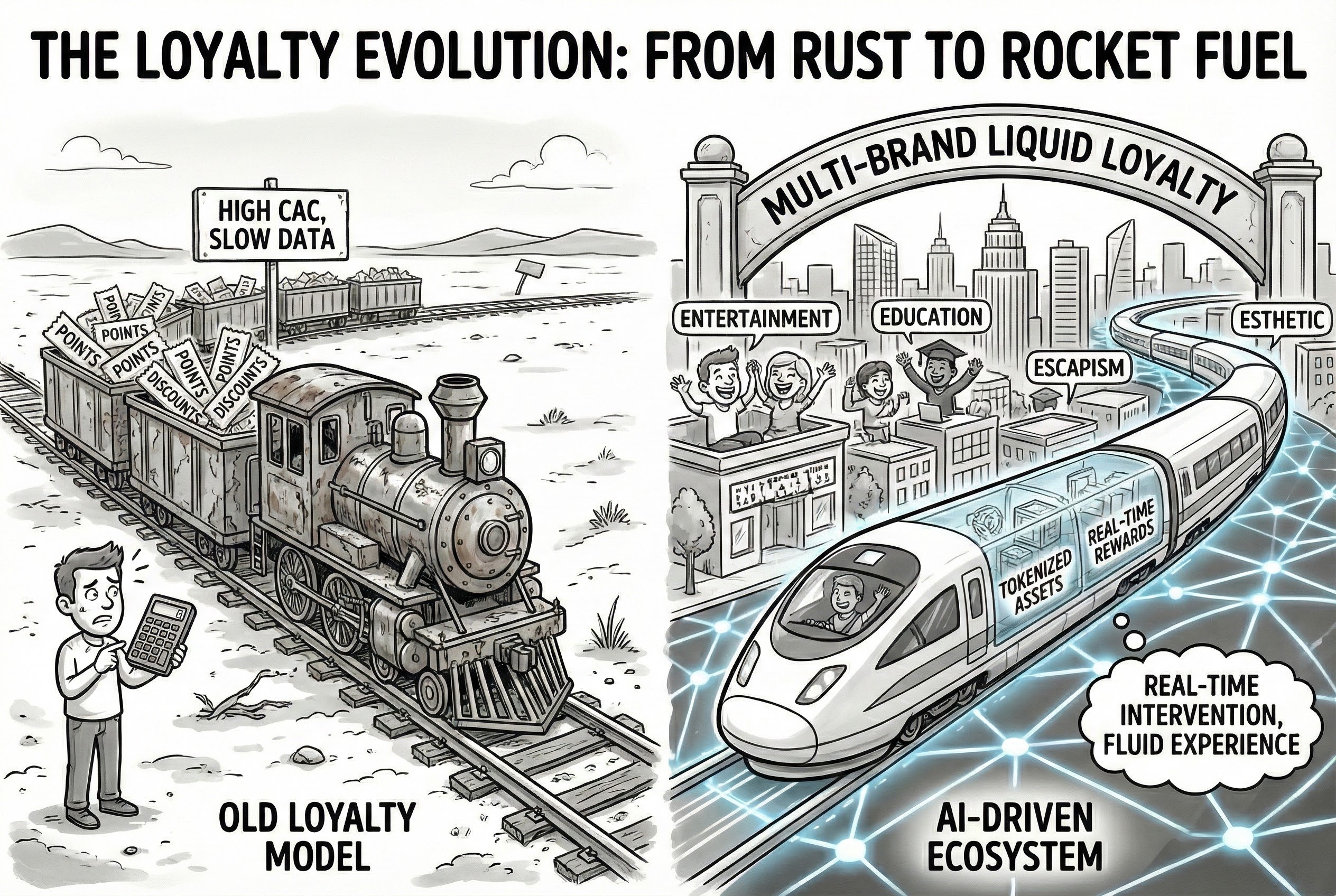
You think gamification is badges and cute confetti?
Tell that to the millions of Indians obsessed with their Zomato “Foodie Level 5” flex or terrified of breaking their Myntra Insider streak. While most brands are still arguing about “professionalism,” these two turned shopping into a sport – and quietly rewired user behavior.
In a loyalty market projected to hit $7.9B by 2028, “buy 10, get 1 free” doesn’t even register. The game has shifted from points to psychology.
Rational loyalty is broke. Emotional loyalty prints cash.
Rational loyalty says: “Earn 5% back.”
Emotional loyalty says: “You’re one purchase away from unlocking Legendary status.”
One is a spreadsheet. The other is a story.
That’s why investment in gamification has exploded. Loyalty leaders who used to treat it as a side experiment now treat it as strategy.
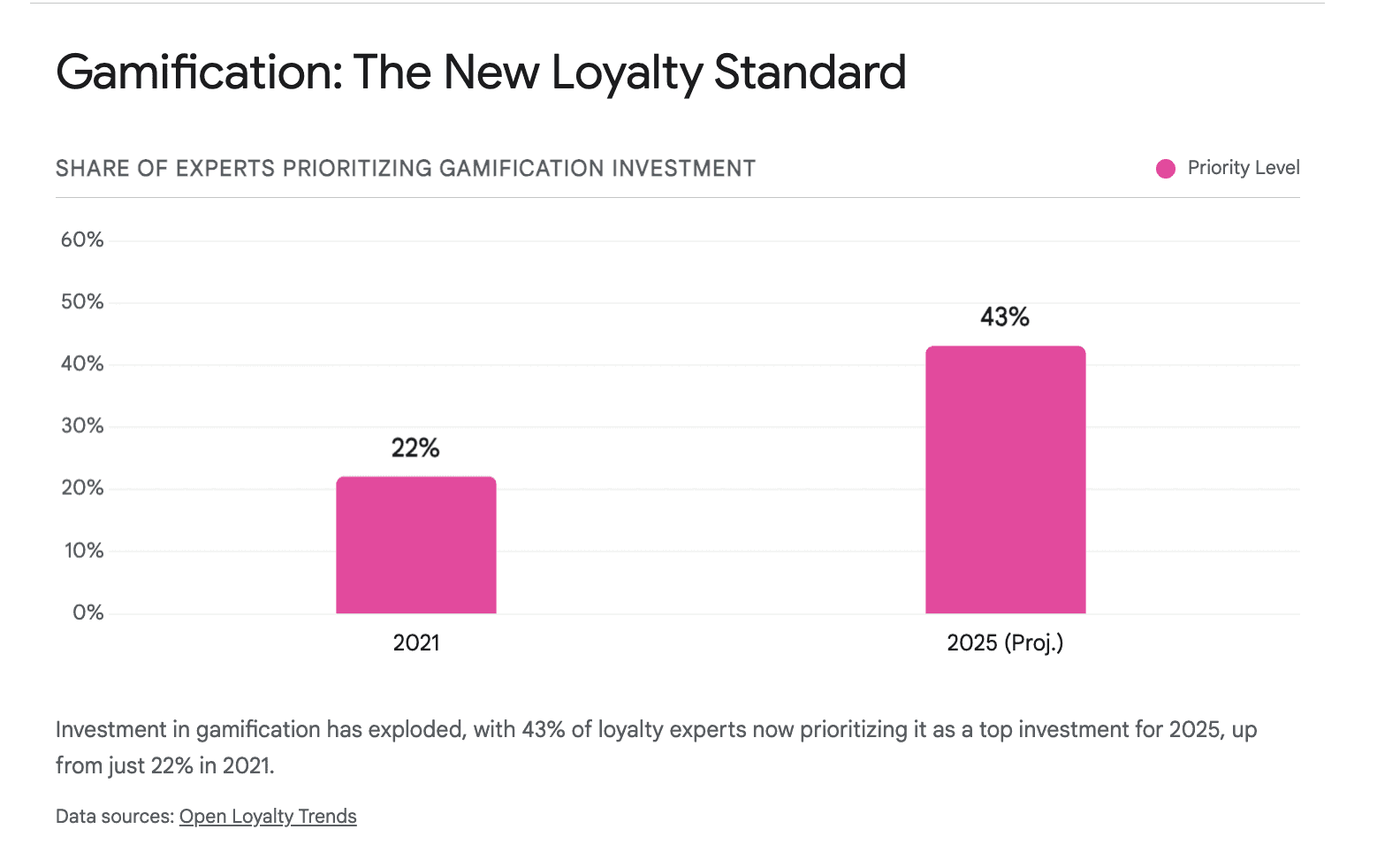
When budgets tighten, you can’t win a price war forever. You need something competitors can’t copy overnight: status, identity, and habit.
Spreadsheet vs playground: where your brand sits
Look at Indian loyalty programs on a simple 2×2:
X-axis: Rational → Emotional
Y-axis: Passive → Active
Tata Neu lives in the rational + passive corner. It’s basically an interest calculator: “Earn X% NeuCoins.” Zomato plays in the emotional + active corner: badges, streaks, memes, inside jokes.
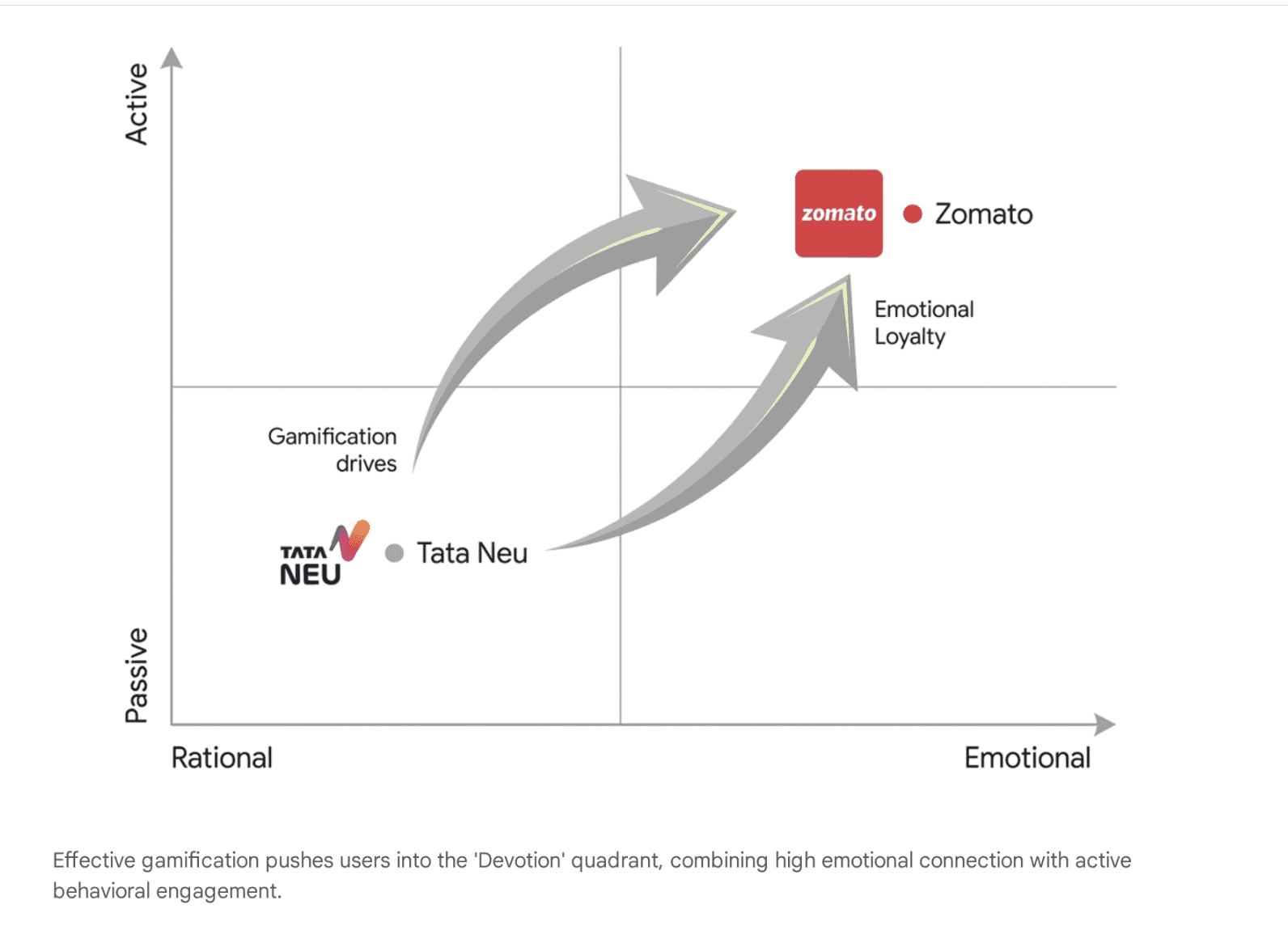
Nobody screenshots “You earned 5% back.”
People do screenshot “Top 1% biryani lover in your city.”
That’s the difference.
Inside the gamification flywheel
Most brands still think in funnels: see ad → click → buy → done.
Gamified brands think in flywheels:
Engage – pull users into small, low-friction actions
Reward – give meaningful payoffs (status, access, utility)
Advocate – turn behavior into proof and social flex
Then you feed that back into the next trigger.
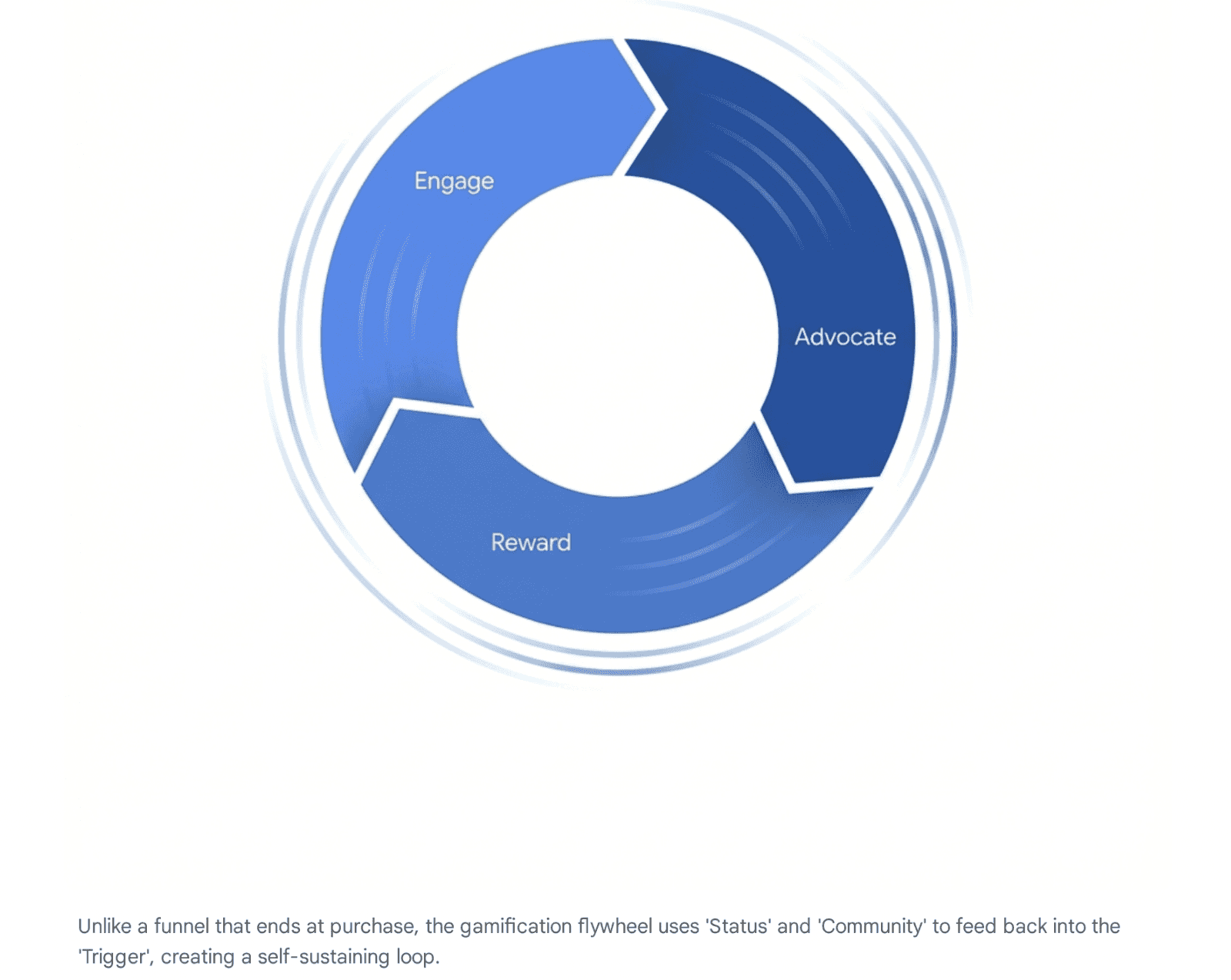
Every spin of this flywheel does three things:
Trains the habit
Deepens identity (“I’m a Level X member”)
Lowers the cost of the next conversion
That’s why a Zomato Gold user is less price-sensitive than a one-time coupon hunter. They aren’t just buying food; they’re protecting identity and streak.
How Myntra and Zomato hack the brain (without cutting margin)
The real cheat code isn’t discount. It’s variable rewards.
B.F. Skinner proved it in the lab: reward a pigeon every single time, it gets bored. Reward it sometimes, it pecks forever.
Myntra and Zomato apply the same principle at scale:
Myntra Insider
Scratch cards, mystery boxes, surprise drops
“Vote on designs” or “Build your wishlist to earn SuperCoins”
This triggers the IKEA Effect – you overvalue what you helped create.
Zomato
Streaks, badges, “Top 1% in your area” flex
Pushes like “Rahul, your butter chicken misses you” turn food into a relationship, not a transaction.
A “Foodie Level 5” badge costs Zomato nothing; users will spend thousands to earn it. That’s profit-free value.
Compare that with “Earn 1 point for every ₹100.” Predictable. Boring. Entirely rational.
Gamification hits System 1 – the fast, emotional brain. Spread-sheet loyalty talks to System 2 – the slow, calculating brain. The first builds cults. The second builds churn models.
And in a world of subscription fatigue, users are done doing math. They want to play.
Why most brands still fail at gamification
If gamification is this powerful, why doesn’t every loyalty program look like Myntra Insider?
Because most teams are stuck in this pattern:
Tools live in silos: POS, CRM, CDP, ESP, app, web.
Every gamified idea becomes a custom project.
No shared templates, no standard review process, no clear measurement.
One successful campaign never becomes a repeatable playbook.
So “gamification” ends up being one festive scratch-card promo, one discount-heavy spin wheel, and then… back to emails and flat coupons.
You don’t need more gimmicks. You need infrastructure.
Enter Quboid: AI as the engine, you as the driver
Here’s the pivot.
AI won’t do your job for you.
It will let you do the right parts of your job more often.
Quboid is built around that idea. It gives you:
Studio – the place where you describe outcomes, rules, cohorts, and guardrails.
Qurious AI – the workflow brain that drafts journeys from your intent.
Interoperable rewards – tokens and rewards that can travel across brands and channels.
A settlement layer finance can actually trust.
Your job: decide what must change and for whom. Quboid’s job: turn that into live, measurable, gamified journeys.
Let’s break it into five moves.
The five moves that turn Quboid into a gamification engine
Move 1: Start with the outcome, not the tactic
Before you touch a “spin wheel,” answer four things:
What must change? (e.g., “Repeat orders in Tier-1 users +20%”)
For whom? (e.g., “High intent users who ordered twice in last 60 days”)
By when?
What proof will you accept?
Drop that into Studio first. Set the few guardrails that matter:
Reward caps
Quiet hours and geo rules
Exclusions for VIPs or high-risk cohorts
Then let Qurious AI draft the workflow.
Treat it like an editor, not a magician. Cut bloat. Sharpen triggers. Tighten rewards.
Move 2: Plot the journey in five beats
AI can write. It can’t read your mind.
Give every flow a simple spine:
Trigger → Nudge → Unlock → Proof → Next
One line each inside Studio.
Examples on Quboid:
Sampling
Trigger: Scan at counter
Nudge: Confirm taste & capture consented profile
Unlock: Sample + scratch-card style bonus
Proof: Log redemption to the ledger
Next: Offer starter bundle or trial pack
Referrals
Trigger: Thank-you prompt post-purchase
Nudge: “Gift your friend their first trial”
Unlock: Reward only when friend repeats
Proof: Attribute via Quboid’s settlement layer
Next: Suggest subscription or higher-value bundle
Loyalty streak
Trigger: Streak starts
Nudge: Timed challenge (e.g., 3 orders in 10 days)
Unlock: Usable reward, not dead points
Proof: Verify actual use, write back to wallet
Next: Surface a partner perk if your own catalog isn’t relevant
When this structure is standard, every new idea becomes a variation, not a fresh nightmare for tech.
Move 3: Standardize how you work
Speed comes from sameness.
On Quboid, pick one working style per objective and stick to it:
Outcome → Draft → Review for brand-new ideas
Template → Tweak for plays you’ll repeat: sampling, referrals, streaks, UGC quests, partner offers
Pilot → Clone once a cohort actually moves the curve
Name campaigns so “future you” knows what they do in three seconds. Keep a checklist in Studio for every launch.
No mid-quarter improvisation because someone saw a cool wheel in a competitor’s app.
Move 4: Review like an operator, not a copywriter
Ship fast, but get ruthless about QA.
On Quboid that means checking:
Targeting sanity – who gets what, how often, what’s suppressed
Tone and promise – plain verbs, clear payoff, legally clean
Counters – caps, frequency, time windows, stock checks all wired into the rules
Measurement – holdouts set, every unlock recorded on the ledger, partner rules enforced
Copy test rule of thumb:
Swap vague verbs (“engage,” “enjoy”) for actions (“order,” “try,” “share”).
Replace generic discounts with behavior-tied payoffs.
Delete any step that adds friction but no measurable proof.
When this review layer lives in Studio, you stop gambling with every push.
Move 5: Build on signals, not guesses
Guesswork burns budget. Signals are cheap – if your stack can read them.
Quboid listens for things like streak status, timing windows, first-touch source, and redemption intent across your own brand and partners.
Use them:
Broke a streak yesterday?
Send one shield, not ten blasts. Lighter nudge, softer tone.Tried protein flavor once?
Offer a breakfast bundle before a flat discount. Tie the reward to the behavior, not the basket value.Discovered a partner perk but didn’t claim?
Remind them inside the partner’s channel via interoperable rewards, not just your own app.
Partnerships run on the same rails: issue and redeem across brands, settle instantly, attribute back to each campaign without trading Excel sheets on email.
What actually changes inside the company
When you wire gamification through Quboid, three teams feel it first:
Marketing
You describe outcomes and rules in Studio, Qurious AI drafts, you ship in hours and learn in days. Less time begging for dev bandwidth, more time designing plays.Finance
Rewards, redemptions, and settlements are visible as they happen. Liability is governed and auditable. CAC and LTV are tied to real behavior, not assumed incrementality.Users
Fewer messages. Better timing. Rewards that make sense. Plus cross-brand value when your own perk isn’t the right fit that week.
The result: loyalty stops acting like a cost center and starts behaving like a growth loop.
Start with one brick
Don’t rebuild the whole program at once. Pick one brick and wire it end-to-end on Quboid:
A sampling flow: scan → consented profile → first follow-up
A referral that pays only on activation and early repeat
A streak that unlocks a partner perk people actually use
A UGC quest that doesn’t just collect posts but builds a club you can brief next month
A partner perk that issues, redeems, and settles without a single spreadsheet
Ship one. Watch the numbers. Clone the winner.
This isn’t a thought piece. It’s a field manual for marketers who need results next week, not next quarter.
Quboid gives you the rails – Studio to describe outcomes, Qurious AI to draft workflows, interoperable rewards to create real utility, and a settlement layer finance trusts. Your job is to set the target, add a few guardrails, and ship small changes on a weekly cadence.
Do that, and your loyalty program stops looking like a spreadsheet… and starts feeling like a playground.